Understanding the Connection Between the Jaw, Sleep, and Whole-Body Health
If you regularly wake up with jaw tension, headaches, or facial discomfort, there may be more at play than just grinding your teeth. Many people experience parafunctional activity (clenching or grinding) at night—often as a response to poor sleep quality.
Poor sleep can be caused by airway obstruction, pain, psychological stress, medication, alcohol, or poor nutrition. When we don’t enter deep, restorative sleep, our nervous system stays in a “fight or flight” state, triggering muscular activity—including clenching and grinding—as a stress response. Since the jaw and central nervous system are closely linked, this cycle can easily become chronic.
We see the signs in both hard and soft tissues: tooth wear, tongue scalloping, cheek biting, dry lips, tight jaw muscles, and TMJ clicking or locking.
That’s why we never look at jaw pain in isolation—we assess the whole picture: sleep patterns, airway function, lifestyle factors, and nervous system stress. By addressing the root causes, we can begin to restore function, comfort, and quality of life.
If you have severe and persistent pain in your jaw joint or muscle that cannot be alleviated with warm heat and anti-inflammatories and does not resolve within a few days. You will need to see a dentist immediately.
You don’t; it can be very difficult to differentiate between tooth pain and jaw pain. That’s why it is important to contact your dental practitioner at Admire Dentistry. However, if jaw pain is accompanied by tooth sensitivity, pain when biting, a loose tooth, or swelling around a specific tooth, it might be tooth-related. Dental issues like cavities, abscesses, or cracked teeth can cause such symptoms.
TMJ disorders refer to issues with the temporomandibular joint. They are generally not life-threatening but can impair jaw function, cause pain, and affect quality of life. Chronic TMJ issues might lead to complications like persistent pain, persistent headaches, jaw lock, or degenerative joint changes. Proper diagnosis and treatment are crucial.
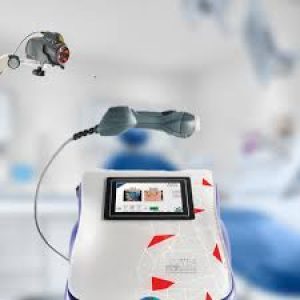
No, MLS (Multiwave Locked System) laser therapy is painless. It is a cold laser and does not produce any heat or cutting like other lasers. It’s a non-invasive treatment often used for pain management and to promote tissue healing without the discomfort associated with surgical interventions.
Cavities are decayed areas in teeth caused by bacterial activity, leading to holes. Symptoms include toothache, sensitivity, and visible holes.
TMJ refers to temporomandibular joint disorders involving issues with the jaw joint, disc, ligaments and surrounding muscles. Symptoms include jaw pain, clicking, and difficulty opening the mouth. Muscular pain and persistent headaches are also associated with TMJ dysfunction. The two conditions have distinct causes, symptoms, and treatments.